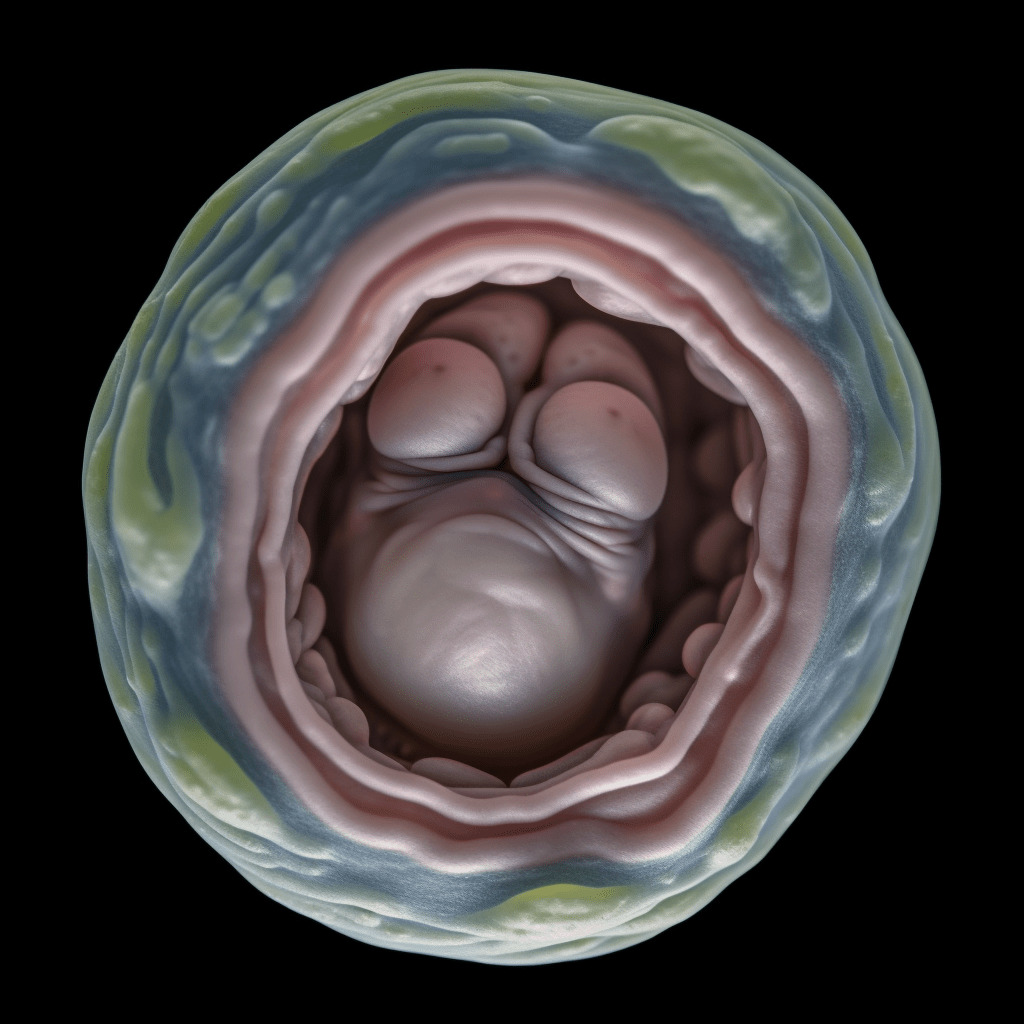
A 42-year-old man presents to your clinic for cochlear implant evaluation. Despite his profound high-frequency hearing loss, he retains some low-frequency hearing. As you contemplate using a hybrid electrode for the procedure, you reflect upon the cochlea's intrinsic anatomical properties. How does the "tonotopic" organization of the cochlea guide the selection and placement of a hybrid electrode in preserving residual low-frequency hearing?
A 42-year-old man presents to your clinic for cochlear implant evaluation. Despite his profound high-frequency hearing loss, he retains some low-frequency hearing. As you contemplate using a hybrid electrode for the procedure, you reflect upon the cochlea's intrinsic anatomical properties. How does the "tonotopic" organization of the cochlea guide the selection and placement of a hybrid electrode in preserving residual low-frequency hearing?
- Haemotympanum
- Otosclerosis - Schwartze Sign
- High Riding Jugular Bulb
- Persistent Stapedial Artery
- Aberrant Carotid Artery
- Jugulotympanic Paraganglioma
- Local: Hearing Loss, Pulsatile Tinnitus, Vertigo
- Cranial Nerve: Dysphonia, Dysphagia, Tongue Weakness, Change in Taste, Facial Weakness
- Catecholamine Secretion: Flushing
- Family & Personal History: Genetic Syndromes and Tumours
- Signs of Catecholamine Secretion: Hypertension
- Brown's Sign
- Cranial Nerve Deficits: CN 7, 9, 10, 11, 12
- Vocal Cord Movement
- Rinne and Weber Tests
- Audiometric Tests
- CT: "Moth-Eaten" Appearance
- MRI: "Salt and Pepper" Appearance
- Plasma Metanephrines: Exclude Secretory Tumors
- Genetic Testing: SDHB, SDHC, SDHD
- Whole Body Imaging: MRI, PET CT
- Surveillance
- Surgical Resection
- Radiotherapy
- Transcanal / Endaural (Type A)
- Mastoidectomy (Types B, C)
- Infratemporal Fossa - Multidisciplinary Skull Base (Type D)
- Type A: Tumor limited to the middle ear, not affecting the mastoid or inner ear structures.
- Type B: Tumor in the middle ear and mastoid, without affecting the carotid canal or petrous apex.
- Type C: Tumor extending into the petrous bone with subdivisions:
- C1: Limited involvement of carotid canal.
- C2: Involvement extending to the vertical portion of carotid canal.
- C3: Horizontal portion involvement.
- C4: Tumor extending to foramen lacerum.
- Type D: Tumor with intracranial extension, categorized as:
- D1: Intradural, less than 2 cm in diameter.
- D2: Intradural, more than 2 cm in diameter.
Paraganglioma Insights- Origin: Chromaffin cells of the autonomic nervous system.
- Types: Carotid body tumours, Jugulotympanic, Vagal, Laryngeal.
- Hormones: 10% produce hormones, primarily norepinephrine.
- Bilateral: About 5%, Malignant potential: 5 to 10%.
- SDHB mutations: Higher risk of malignancy.
Associated Hereditary Syndromes- Multiple Endocrine Neoplasia (MEN) Type 2
- Von Hippel-Lindau (VHL) Disease
- Neurofibromatosis Type 1 (NF1)
- Hereditary Paraganglioma-Pheochromocytoma Syndromes